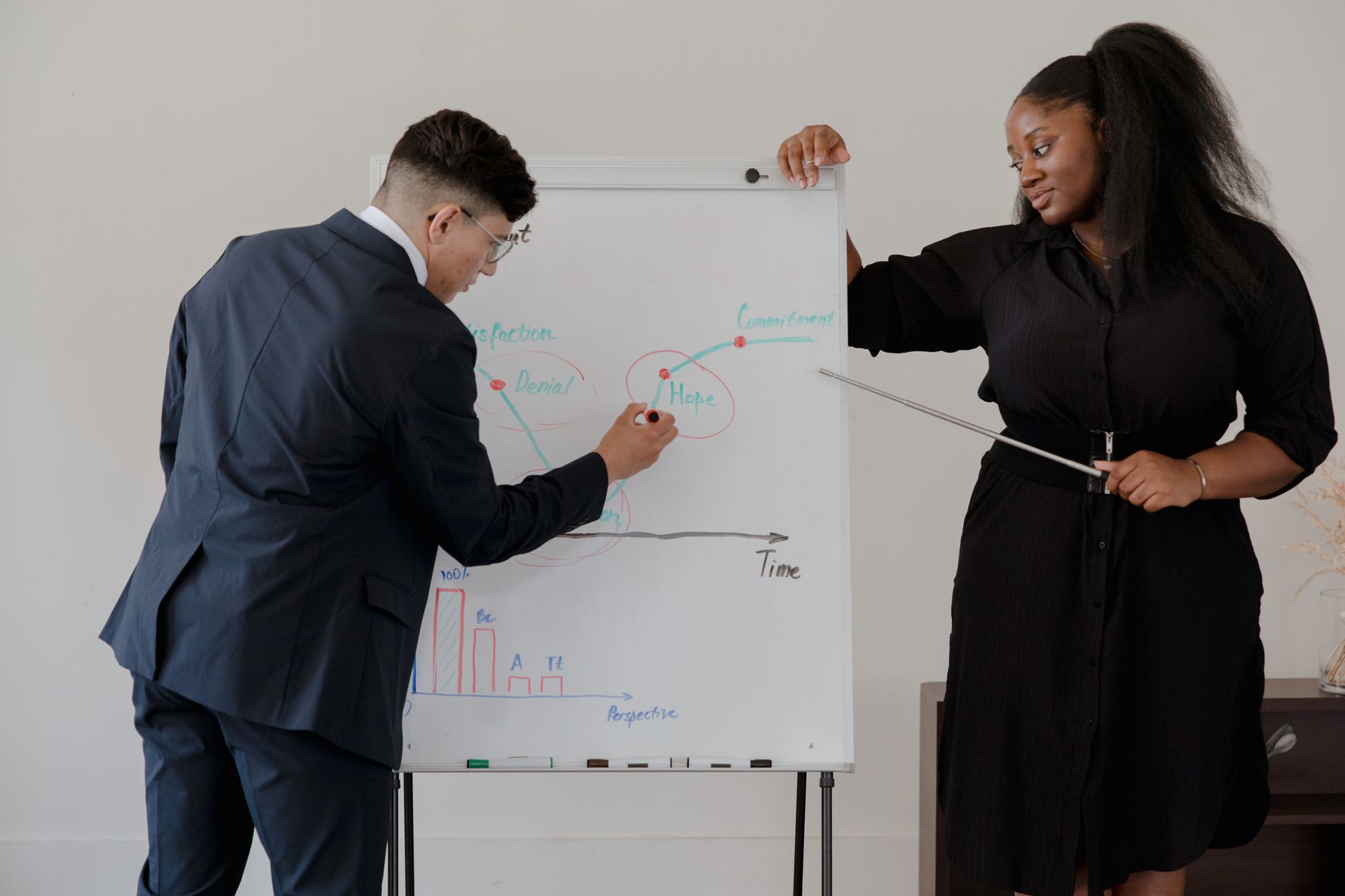
Organisational design built for where the business is going.

Reporting lines, role scope and levels mapped against where the business is heading, so the shape of the team supports the next stage rather than the last.

Design starts with the work, rather than the chart.

What is organisational design?

Organisational design is the process of shaping an organisation's structure, roles and ways of working so they align with its strategy. Marquee starts from the work itself rather than the chart, sets levels and job architecture against it, and plans the workforce that follows.
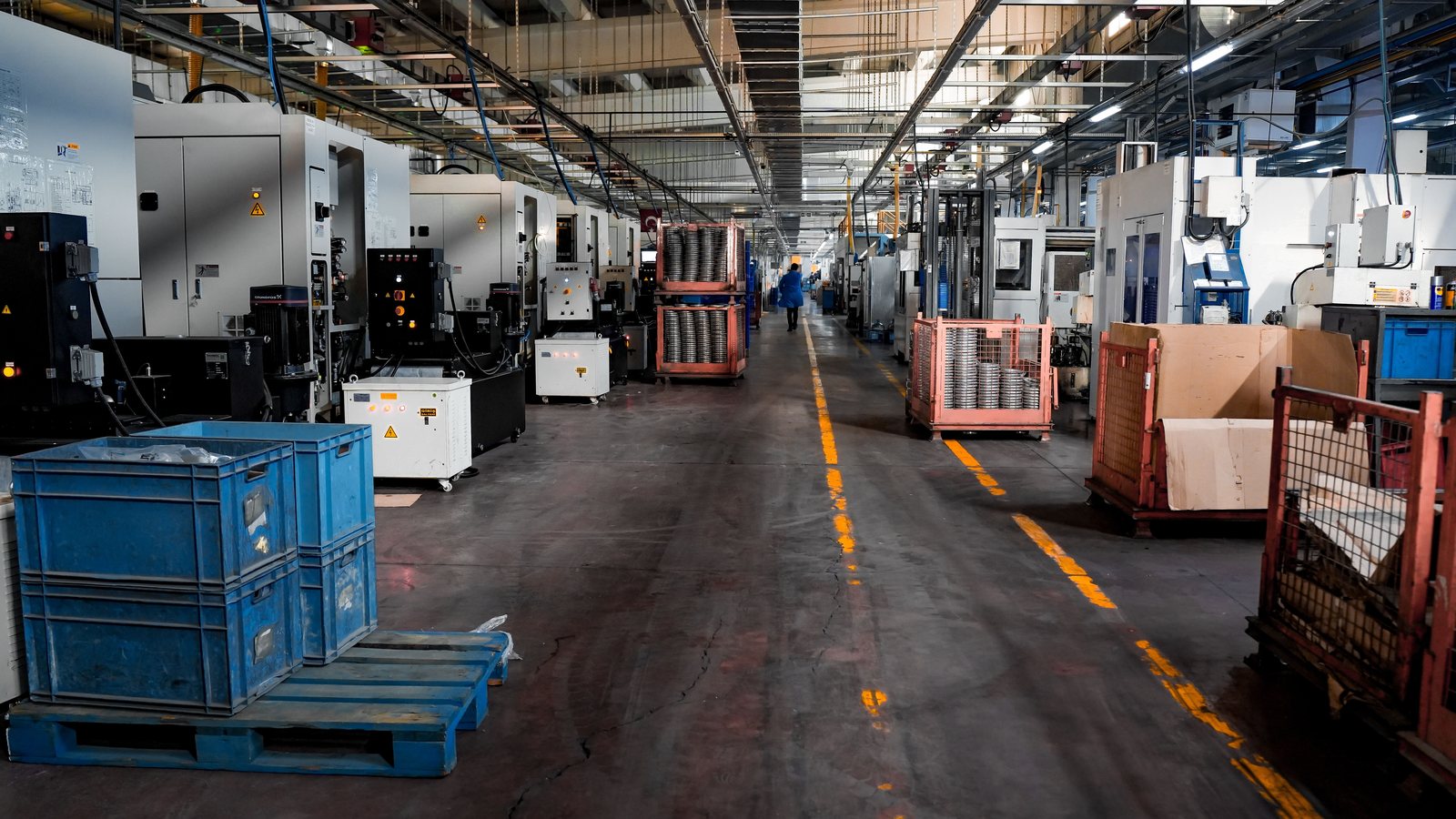
A production floor seen down its main aisle

Organisational design, levelling, and workforce planning.

Most engagements begin with one and reach the others, since a change to any of the three shows up in the rest.


Talk about structure
Talk about levelling
Talk about capability

How a workforce planning and organisational design engagement runs.

Five steps, told as three: what the business is heading into, what the structure looks like today, and what to change.


A leadership team working through papers in a meeting room Someone mapping levels out in notes on a wall A colleague talking a team through a structure at a whiteboard

Draw the structure
before the next hire.

Speak to us

Mandates behind the design.

Every engagement below ran through our search practice. Filling seats like these is where a view of how teams are shaped comes from.


Insights from our team.

Leadership hiring, pay and the shifts that matter, written for the people making those calls.

Tell us about the mandate.

Fill in the form and our team will get back to you within 24 hours.

Frequently Asked Questions

Marquee covers three things: organisational design support, job architecture and levelling, and capability assessment. Design support maps the structure, clarifies reporting lines and team design, and refines role scope across functions. Job architecture builds a consistent title and level framework. Capability assessment evaluates the team you have against what the business needs. Most engagements touch all three, starting wherever the pressure is.

Job levelling is a consistent title and level framework applied across every function, so the same seniority means the same thing in engineering as it does in finance. L1 to L5 is the shape Marquee builds it in. Each level carries defined responsibilities and decision rights. Once it exists, hiring briefs, compensation bands and promotion decisions all reference the same structure rather than being argued case by case.

It starts with the business rather than the organisation chart. Marquee works through growth goals, leadership expectations and strategic priorities first, then assesses the reporting lines, team design and decision pathways in place today. Only then does the structure get redrawn. Starting from the work rather than the chart is what turns a redesign into real change rather than a tidier diagram.

A levelling framework is the foundation the next hiring brief and the next pay review both sit on. Once roles are scoped and levels are consistent, a search brief describes a seat that exists in the structure rather than a title someone reached for. Job architecture is the foundation that future hiring and benchmarking both build on. Marquee runs all three, so the structure and the search stay in step. Marquee takes mandates from 15 lakh CTC upward, the same floor that applies across every service.

Practical recommendations: a clearer structure for leaders and employees, alignment between the organisation design and the talent strategy, and a foundation that scales with the hiring plan. That covers the structure map, the title and level framework, and a capability read naming what is worth strengthening. What stays with you is the decision on which recommendations to act on and in what order, because that depends on things only your leadership team can weigh.